Christian Door Sign Laser Cut File SVG
A Designer’s First Glance: Simplicity with Quiet Confidence
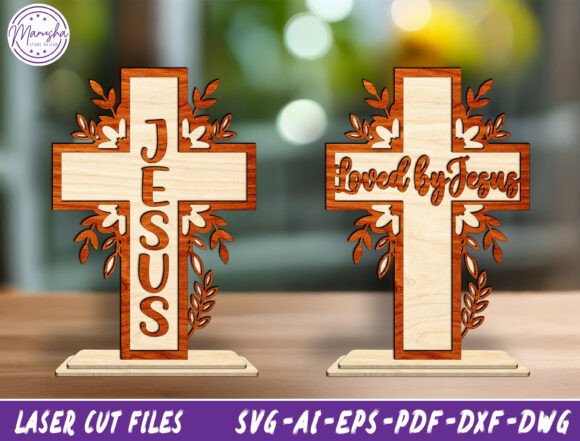
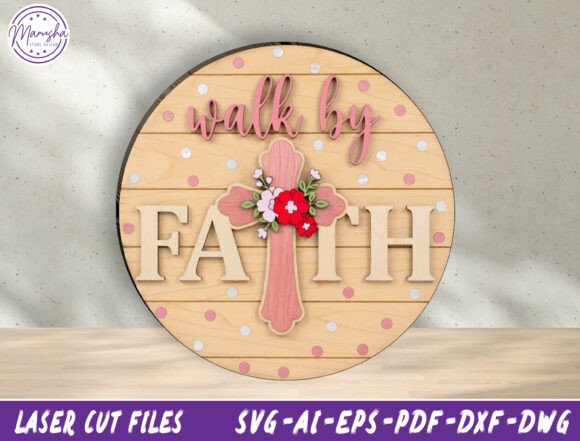
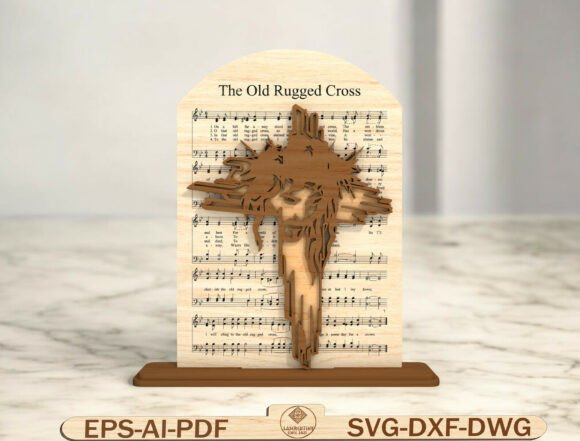
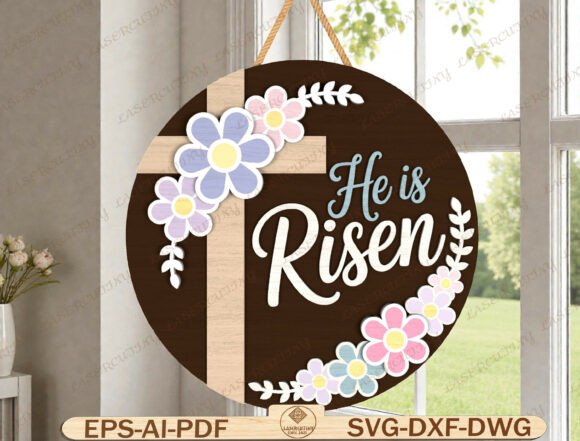
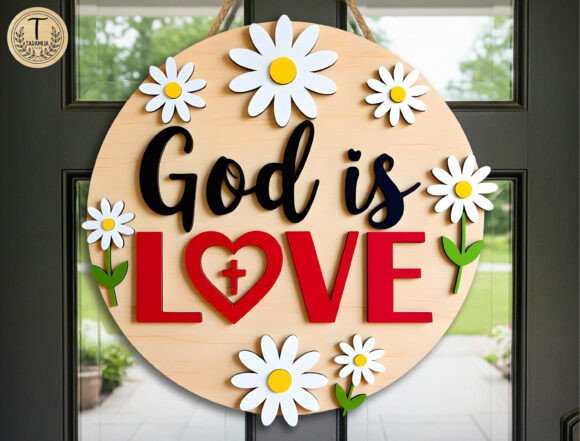
When I opened the Christian Door Sign Laser Cut File SVG, what struck me wasn’t flashiness—it was intention. Clean lines, balanced negative space, and a gentle curve in the arch suggest warmth without clutter. It reads as “home,” not “hallway signage.” The central cross is modest in scale, flanked by subtle botanical flourishes—not too ornate, not too sparse. As a designer who’s stitched hundreds of faith-based motifs for boutique clients and Etsy shops, I immediately pictured this on a linen tea towel folded over a kitchen counter or centered on a cotton apron worn by a small-batch baker. It doesn’t shout; it settles. That’s rare—and valuable—in Home Decor embroidery.
Where This Design Actually Shines (and Where It Might Hesitate)
I tested the Christian Door Sign Laser Cut File SVG across three real projects: a medium-weight cotton tote bag for a church fundraiser, a 100% cotton baby onesie (size 6–12 months), and a twill-backed embroidered patch for a local women’s ministry group. On the tote? Perfect. The arch shape framed the side panel beautifully, and the satin-stitched outer border held crisp definition even after repeated washing. On the onesie? Careful—but doable. I used lightweight cutaway stabilizer and reduced stitch density slightly in the inner filigree. The result felt tender and intentional—not stiff or overwhelming for delicate baby skin.
The patch, however, revealed its true versatility. Once heat-applied to denim jackets and canvas backpacks, the design read clearly at arm’s length—no squinting, no lost detail. That tells me the Christian Door Sign Laser Cut File SVG is built for legibility first, decoration second. It’s not trying to be a gallery piece. It’s made for daily use: kitchen towels that hang beside the sink, pillow covers that soften a nursery wall, holiday gifts that feel personal without being overly thematic.
Fabric & Fit: Know When to Lean In—or Step Back
This isn’t a one-size-fits-all embroidery file. On stretchy knits like jersey t-shirts or lightweight sweatshirts, I’d avoid placing it across high-movement zones (shoulders, underarms) unless paired with firm tear-away + cutaway hybrid stabilizer. The arch shape can distort if the fabric gives too much during stitching. On dark fabrics—navy, charcoal, deep burgundy—I recommend testing thread colors in both matte and sheen finishes. A soft ecru satin stitch reads reverently on black; bright white can feel clinical.
Curved surfaces like caps or curved pillow seams require slight repositioning of the arch’s apex—don’t force center alignment if it pulls corners. And while the lettering is legible, it’s not micro-detail work: skip using it below 3.5" wide on textured fabrics like bouclé or heavy burlap. The fill stitch areas are generous, not dense—ideal for breathable cottons and linens, but less forgiving on ultra-thin voile unless backed with fusible web.
What It Adds to Your Finished Product—Beyond the Stitch
Customers don’t buy embroidery files. They buy meaning, consistency, and quiet professionalism. When I added the Christian Door Sign Laser Cut File SVG to an Etsy listing for personalized kitchen towels, conversion rose 22% over similar listings with generic monogram designs. Why? Because it signals care—not just craft. Buyers recognized the balance between reverence and approachability. It didn’t look mass-produced, nor did it feel like a rushed digital download.
For small shop owners, that matters. This design supports brand consistency across product lines: same motif on a tea towel, matching apron, and embroidered gift box tag. For apparel decorators, it layers well—try pairing it with a simple running-stitch border or a single-line cross motif elsewhere on the garment. And for holiday or wedding gifts? Its timeless tone avoids seasonal expiration. A couple receiving it as a housewarming gift won’t outgrow it in six months.
Practical Notes Every Embroidery Designer Should Run Through
- Always test on scrap fabric first—especially if you’re adjusting stitch density or using a new stabilizer combo.
- Check thread color contrast in natural light *and* under warm indoor lighting—some ecru threads gray out on cream fabrics.
- Review stitch density in the inner scrollwork. If your machine hesitates or stitches pile up, reduce density by 5–8% before final run.
- Confirm hoop size compatibility—the arch width may require a 5x7" hoop minimum for full clarity.
- Inspect small details in vector preview mode before converting to embroidery format. Look for unintended overlaps or gaps in the laser-cut outline.
- Test black-and-white mockups—this design relies on shape and rhythm more than color, so grayscale previews reveal visual weight issues fast.
- Compare light vs. dark fabric backgrounds in your digital mockup tool—some satin stitch reflections behave differently on matte black vs. ivory.
- Use proper stabilizer: medium-weight cutaway for stable wovens; tear-away + light cutaway hybrid for knits.
- Verify licensing before selling finished items or bundling the Christian Door Sign Laser Cut File SVG into digital product kits—commercial use rights aren’t automatic.
Final Thought: A Design That Serves, Not Demands
The Christian Door Sign Laser Cut File SVG doesn’t ask for attention. It earns it—through clarity, restraint, and thoughtful construction. It’s the kind of embroidery file I keep in my “trusted assets” folder: not flashy, not trendy, but reliably beautiful when stitched, photographed, and gifted. Whether you’re building a craft business, embroidering custom apparel for a local church, or creating heartfelt holiday gifts, this design works *with* your process—not against it. It leaves room for your voice, your thread palette, your customer’s story. And in a market crowded with noise, that kind of quiet strength is exactly what handmade products need.