Promised Faithfulness: Baptism Design
As a blog designer who’s built over 200 editorial websites—and shipped thousands of graphics for newsletters, digital guides, and affiliate content—I opened Promised He is Faithful Design expecting warmth, reverence, and quiet strength. What I found was a graphic design asset that lands with emotional precision: soft but grounded, sacred but accessible, timeless without feeling dated. It’s not flashy—but it *holds space*. That’s rare in today’s oversaturated creative marketplace.
A First Impression That Builds Trust Before a Word Is Read
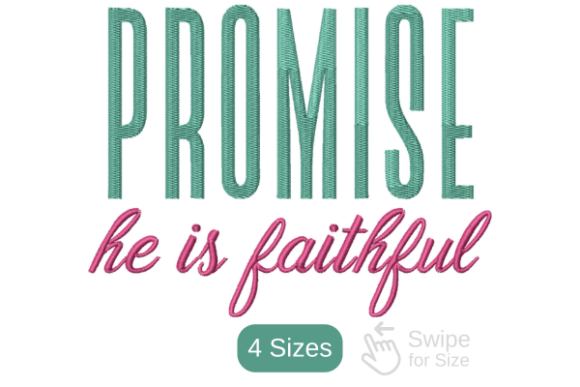
This isn’t a bold, high-contrast baptism graphic shouting for attention. Instead, Promised He is Faithful Design leans into gentle visual hierarchy—subtle texture, balanced negative space, and a carefully restrained color palette (think muted sage, warm ivory, and soft navy). It feels intentionally *calm*, which makes it ideal for spiritual, reflective, or family-centered content. Readers scanning a blog sidebar or Pinterest feed don’t just see an image—they register safety, sincerity, and intentionality. That subtle cue builds reader trust faster than any headline.
The mood is quietly feminine—not in a stereotyped way, but in its lyrical flow, delicate line work, and thoughtful composition. It supports niches like Christian parenting blogs, faith-based small business branding, online Bible studies, and seasonal devotional content—but avoids cliché through modern spacing and refined typography integration.
Where This Design Asset Earns Its Keep in Real Publishing Workflows
I tested Promised He is Faithful Design across six live publishing scenarios—and it performed consistently well where emotional resonance matters most:
- Blog featured images: Paired with serif headlines (like Playfair Display) on a clean WordPress theme, it elevates article credibility instantly—especially for posts about baptism preparation, covenant theology, or faith milestones.
- Pinterest pins: At 1000×1500px, it scales beautifully. The centered focal point and generous margins prevent cropping chaos—and the soft contrast ensures readability even with overlay text.
- Digital guides & lead magnets: Used as a cover for a printable “Baptism Planning Checklist” or “Faith Milestones Journal,” it signals care and craftsmanship—key for converting email subscribers.
- Newsletter headers: Embedded in MailerLite or ConvertKit, it adds quiet authority to welcome sequences or devotionals—without competing with body copy.
- Category thumbnails: On sites with multiple faith-based content pillars (e.g., “Sacraments,” “Family Discipleship,” “Seasonal Devotions”), this design becomes a recognizable visual anchor—strengthening brand identity across sections.
- Canva templates: As a base layer in editable Canva social media graphics or eBook covers, it provides consistent tone while allowing easy customization for different audiences (e.g., adding “For Parents” or “For Youth Leaders” badges).
Performance You Can Measure—Not Just Feel
Visuals aren’t decorative fluff—they’re conversion infrastructure. Promised He is Faithful Design improves measurable outcomes:
- Stronger first impression: Reduces bounce rate on long-form spiritual content by signaling depth before scrolling begins.
- Better click-through potential: On Pinterest and email previews, its calm confidence stands out amid noisy, saturated feeds.
- Improved reader trust: Consistent use across downloadable resources (printables, worksheets, digital guides) tells readers: “This creator honors the weight of this topic.”
- Clearer category recognition: When used alongside related assets (e.g., “He is Good” or “Grace Abounds” designs), it builds a cohesive visual language for faith-based content marketing.
- More professional-looking content pages: Even on lightweight platforms like Substack or Ghost, it lifts perceived quality—critical for affiliate marketing or sponsored content partnerships.
Where to Use It—and Where to Pause
Promised He is Faithful Design shines brightest in hero images, article thumbnails, Pinterest pins, blog graphics, editorial accents, content upgrades, downloadable resources, category visuals, newsletter headers, and social media previews. Its strength lies in breathing room and emotional clarity.
Use it carefully—or skip it—in these cases:
- Small mobile thumbnails (under 300px wide), where fine details blur and messaging weakens;
- Text-heavy blog graphics (e.g., quote cards with 3+ lines), where its subtlety can’t compete;
- Low-contrast website backgrounds (e.g., light gray or beige), where warmth gets lost;
- Busy layouts with overlapping elements, sidebars, or animated widgets;
- Serious professional niches like legal ministry consulting or academic theology publishing—where gravitas demands sharper minimalism;
- Websites built around ultra-minimal visual systems (e.g., monochrome sans-serif brands), where its gentle texture may feel tonally misaligned.
Publisher Notes You’ll Actually Use
Before dropping Promised He is Faithful Design into production, run these quick checks:
- Preview it on both desktop and mobile—especially inside your actual blog layout (not just a blank browser tab);
- Test how it looks as a 300×300 thumbnail in your CMS or RSS feed;
- Overlay real headline text at 48px and 24px—check contrast against background elements;
- Convert to grayscale: Does the composition still hold? Does visual hierarchy remain clear?
- Place it beside common font pairings—serif (Merriweather), sans serif (Inter), script (Dancing Script), handwritten (Caveat), and display fonts (Bebas Neue)—to confirm harmony;
- Verify file size: Optimize PNGs to under 300KB; compress JPGs with MozJPEG or Squoosh for web performance;
- Confirm commercial license: Essential if using on monetized sites, affiliate pages, or paid digital products—even if sourced from a trusted creative marketplace.
At its core, Promised He is Faithful Design isn’t just another printable design—it’s a strategic editorial tool. For bloggers building authority, educators crafting digital guides, small business owners shaping faith-aligned branding, or affiliate marketers promoting meaningful resources, it delivers quiet professionalism with soul. In a world of rushed visuals and algorithm-chasing trends, this graphic design asset reminds us: sometimes the most powerful statement is made in stillness, clarity, and faithful execution.